
Why are brown stink bugs drawn to warm exterior walls?
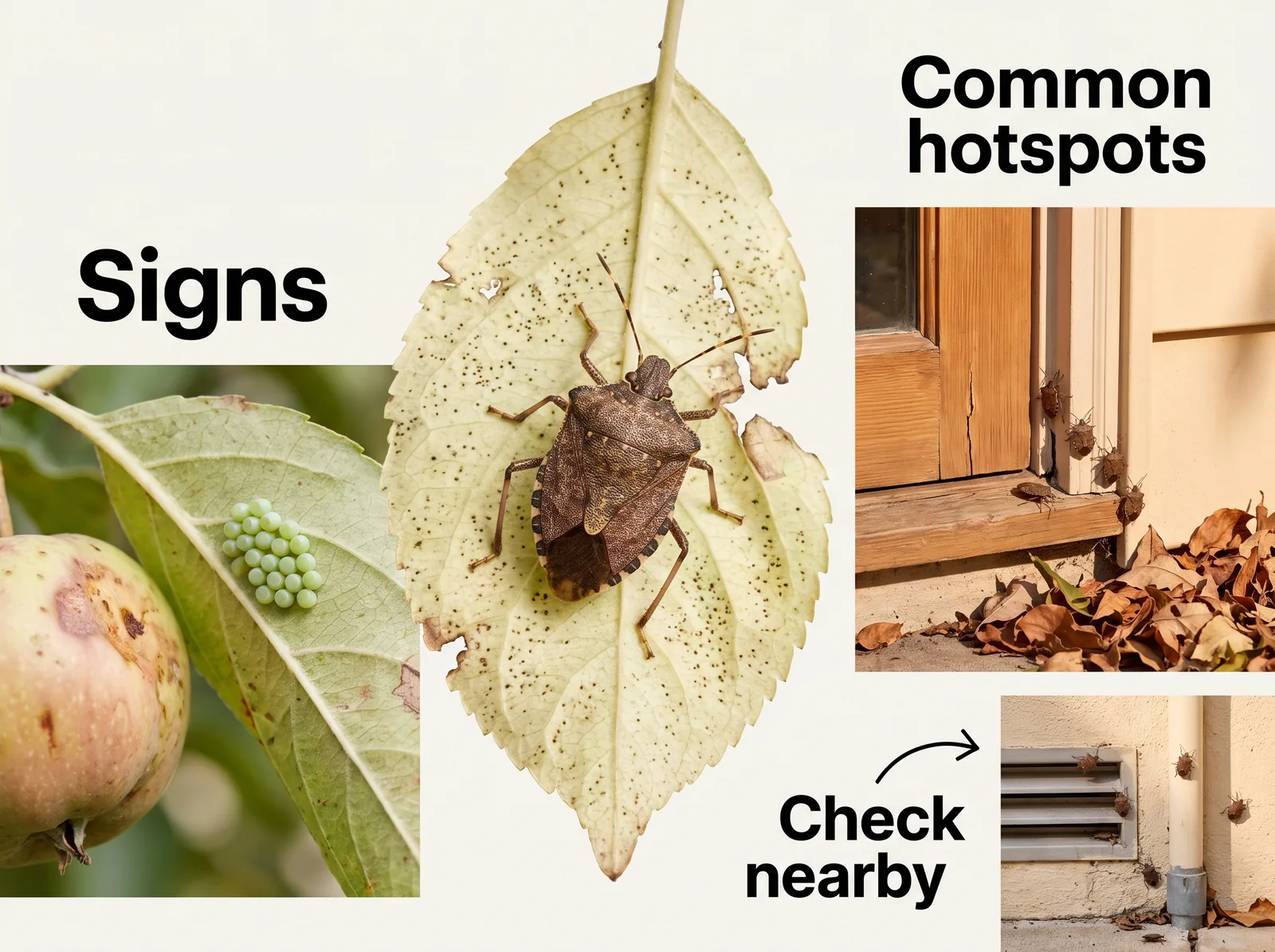
In early autumn, cooler temperatures trigger an instinct in stink bugs to find overwintering shelter. Because they are cold-blooded, they rely on external heat to keep their bodies functioning. South-facing and west-facing exterior walls absorb afternoon sun and stay warm long after sunset.
Your siding traps this warmth, creating a comfortable gathering spot. Light-colored siding, brick, and stucco tend to reflect heat and light in a way that attracts large clusters. Once hundreds settle on these exterior surfaces, they slowly crawl upward toward rooflines, searching for small openings to enter your home.
- South and west exposures receive the most direct afternoon sun.
- Light-colored paint and reflective siding highlight warm resting zones.
- Warm masonry retains heat well into the evening hours.
Does outdoor lighting attract stink bugs at night?
Like many nocturnal and dusk-flying insects, brown stink bugs navigate using light sources. Bright exterior fixtures, porch lights, and security floodlights draw them out of nearby trees directly toward your entryways and patio doors.
When these lights stay on through late summer evenings, bugs gather around the fixtures and land on surrounding doorframes. Reducing this nighttime glow makes your home far less noticeable to passing pests.
Switching standard white incandescent bulbs to yellow bug lights or motion-activated fixtures helps limit their activity near your doorways without leaving your property in total darkness.
What garden plants and trees bring them into your yard?
Brown stink bugs are plant-feeding insects with a broad diet. They love feeding on developing seeds, berries, and ornamental pods before moving into shelters for the winter.
Fruit trees, sweet corn, tomatoes, peppers, and decorative landscape trees like the empress tree and tree-of-heaven serve as major feeding grounds. When these food sources ripen in late summer, populations peak right beside your house.
Harvesting garden produce promptly and cleaning up fallen fruit removes the high-energy meals that keep adult bugs active around your foundation.
- Fruiting crops: tomatoes, peppers, beans, and berries.
- Fruit trees: apples, peaches, cherries, and figs.
- Ornamental landscape trees: tree-of-heaven, maple, ash, and mimosa.
How do structural gaps and open vents invite them inside?
While warmth and food draw stink bugs close to your house, physical openings are what let them pass through your exterior walls. Stink bugs have flat, shield-shaped bodies that fit through cracks narrower than a wooden pencil.
Common entry points include torn window screens, unsealed utility pipes, roof ridge vents, and loose siding joints. Gaps underneath exterior doors without proper weatherstripping provide an easy walking path straight into the living room.
Sealing these structural gaps with exterior-grade caulk and fine wire mesh keeps pests on the outside where they belong.
Do stink bugs release odors that attract other bugs?
When an individual brown stink bug discovers a warm, sheltered spot to spend the winter, it releases an aggregation pheromone. This chemical signal tells other stink bugs in the area that the location is safe and suitable for overwintering.
Because of this pheromone, finding a single bug on a window frame often leads to several more appearing in the same room over the next few days. The scent can persist on masonry or inside wall voids, leading new groups back to the same spot every autumn.
Wiping down window sills and doorframes with soapy water helps remove scent trails and reduces repeat visits.
What indoor conditions keep stink bugs comfortable?
Once stink bugs enter your attic or wall cavities, they enter a dormant state called diapause. They do not feed or lay eggs indoors during winter, but indoor heating can confuse their biological rhythms.
If you keep your living spaces warm, active bugs may wake up prematurely during sunny winter days. They follow indoor heat and interior lighting, emerging from ceiling vents, recessed lights, and baseboards into your bedrooms and living rooms.
Drafty attic access panels and unsealed ceiling fixtures act as prime conduits between your attic voids and your primary living quarters.
How can you make your home less attractive to them?
Focus on exclusion and yard maintenance starting in late summer before temperatures drop. Inspect all window screens, repair tears, and replace worn weatherstripping on all exterior doors.
Keep garden beds tidy by picking up dropped produce, clearing overgrown brush, and trimming tree branches away from your roofline and siding. Dim or turn off exterior porch lights during peak flight periods in September and October.
If bugs still enter your living area, vacuum them up or sweep them into soapy water rather than crushing them, which releases their defensive odor.
Questions you may still have
Do brown stink bugs reproduce inside your home during winter?
No, brown stink bugs do not mate, lay eggs, or breed indoors over the winter. They enter homes strictly for shelter and enter an inactive state called diapause. Any bugs you see indoors during the colder months entered from the outside during the late summer or early fall.
Can indoor house plants attract stink bugs in winter?
While indoor plants provide green foliage, dormant stink bugs inside your home rarely feed on houseplants. Stink bugs seek moisture on occasion, but their main goal during winter is conserving energy. Once spring arrives, they naturally move toward windows to escape back outdoors toward flowering plants.
Why do stink bugs appear mostly on top floors and attics?
Stink bugs naturally climb upward when gathering on siding and fly toward high rooflines. They easily slip through soffit vents, ridge vents, and gaps around gutters, making attics and upper-floor rooms their most common initial gathering areas.


